Estate and production operations
Working estates, managed through to finished product.
We run working estates for their owners, together with the contractors, fencing, livestock systems and daily upkeep that production depends on.
Purpose
Turn how the estate has to work into infrastructure that will last.
Standard
It has to work daily, stay maintainable, and be safe for the animals in it.
Users
Principals, estates, agricultural operators and the contractors who serve them.
What this governs
We start with how the estate has to run.
Buildings, contractors, animals and upkeep are then organized around that, season by season.
Operating requirements
Flow, access, water, power and waste settled before anything is designed or bought, along with what the weather does to all of it.
Animal-centered infrastructure
Barns, pens, gates and handling areas judged by ventilation, drainage, and whether a person can watch an animal properly at the end of a long day.
Production lines
Regenerative agriculture carried through to processing, with cinnamon as the current line. The measure is soil condition and product quality across successive seasons.
Contract and delivery control
Scope, tender comparison, contractor coordination and commissioning, all under one line of accountability.
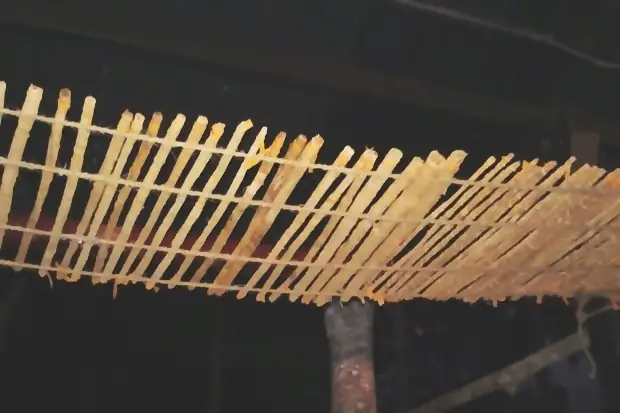
Field record
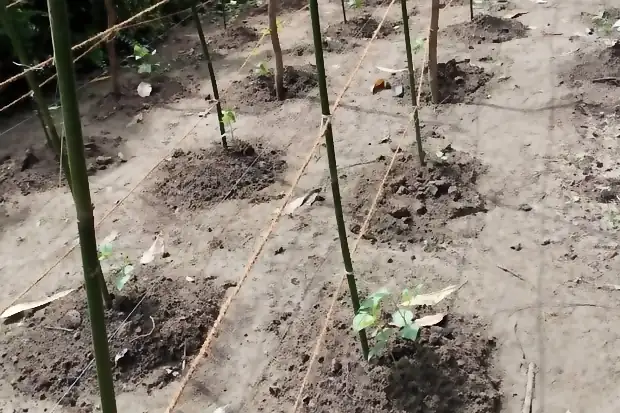
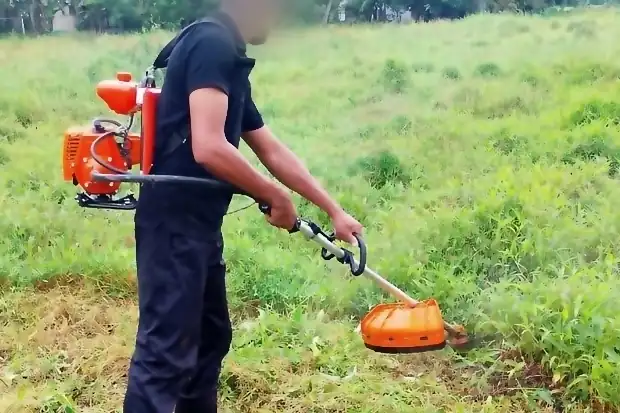
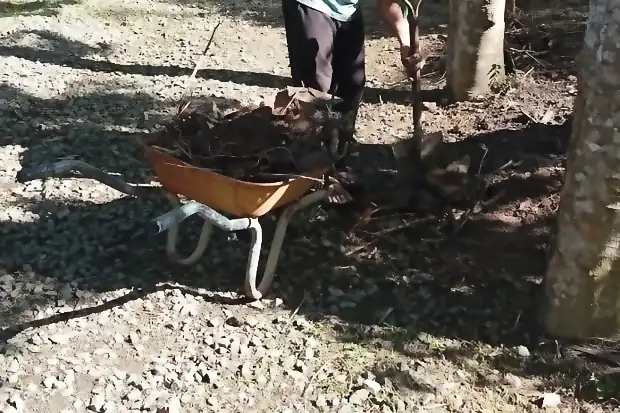
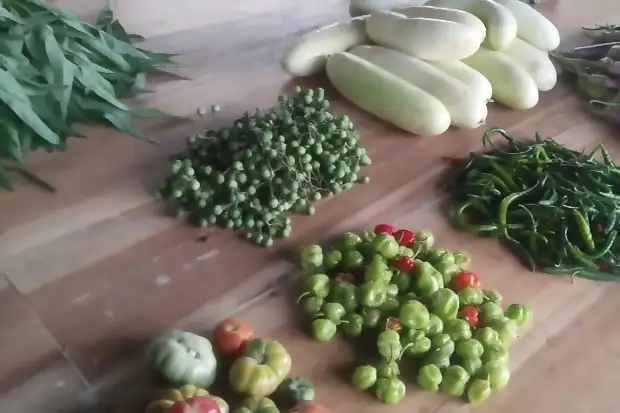
From estates under our management.
Properties are not identified and people are not shown, at our clients’ request.

Outputs
What the owner keeps.
Records and specifications that settle questions before work starts and stay useful long after handover.
Operating brief and site assessment
Who and what the site serves, the hazards, the climate it sits in, and the requirements that cannot be traded away.
Functional design and specification
Layouts and specifications for barns, electric fencing, shelters and handling infrastructure, written to a standard of performance.
Procurement and contractor coordination
Comparable scopes, tender review, sequencing, and one controlled line of communication across the trades.
Build oversight and quality control
Review of materials, workmanship and tolerances against the agreed standard, with the evidence recorded.
Commissioning and continuity
Testing, handover records, staff orientation, and a practical review once the system has been in use for a season.
Insights
Written from the estates we run.
Running an Estate Its Owner Cannot Visit
How the Estate Production Cell runs an estate for an absent owner, with a measured record every day and every month.
What a Guarantee on an Elephant Fence Commits Us To
Why each fence is designed for its own ground, and what a guarantee against breach obliges us to do.
Beyond Hospitality: Operating Responsibly in Elephant Country
What it takes to run a property responsibly where people and elephants share the same ground.
Engagement boundaries
Not a building contractor.
We take estate work where control over the contractors, and over the welfare of the animals, decides the outcome.
- Regulated work stays regulated. Statutory design, engineering, veterinary and electrical work stays with the professionals licensed for it.
- One accountable mandate. Scope, sequencing and quality sit under a single line of responsibility.
- Measured in use. The standard is how the system performs a season after handover.
Access
Tell us about the estate.
Send the estate context, what it has to produce or house, the constraint you are working against, and your timeline.